Can Foreigners Buy Property in Armenia? A Practical Guide
Thinking of buying an apartment in Yerevan while living overseas? You do not need an Armenian passport simply to own one. But before choosing a property, it helps to understand what is straightforward—and where the details matter.
The biggest distinction is between buying an apartment and buying land. The paperwork and the way you plan to complete the transaction deserve attention too.
Apartments
Foreign citizens can buy and register residential apartments.
Land
Foreign ownership has restrictions and important exceptions. Check the particular plot.
Registration
Signing the contract is not the last step; ownership rights must be registered.
Can a foreign citizen own an apartment in Armenia?
Yes. Armenia’s National Services Gateway explicitly lists foreign citizens among those eligible to purchase real estate and register home ownership. For a purchase paid in full, it does not require the buyer to reside in Armenia.
This does not mean every purchase is identical. An apartment in an existing building, an unfinished unit from a developer and a detached home with land can involve different documents and checks. If you are comparing apartments for sale in Yerevan, start with the registered title—not just the listing photographs.
What about houses and land?
This is where buyers should be careful with simplified advice. Armenian law generally restricts land ownership by foreign individuals, but Article 4(3.1) of the Land Code provides exceptions for specified plots, including land associated with private homes, gardens and certain construction purposes. The Cadastre Committee has published an explanation of these exceptions.
That is not permission to assume any plot can be purchased. Before making an offer on a house or land, ask for the cadastral number and registered designation, and have the title and permitted ownership reviewed. The garden behind a fence is not necessarily the exact land parcel recorded in the documents.
How does the purchase process work?
First, identify the property and confirm who owns it. The Cadastre Committee’s unified certificate identifies owners and recorded restrictions, such as a mortgage or other encumbrance. Ask for this information before agreeing to payment terms.
Next, make the price, included furniture, deadlines, deposit conditions and method of payment clear in writing. Depending on the circumstances, the contract may be handled through the Cadastre Committee or a notary. Foreign passports may need a notarized Armenian translation for a notarized transaction. After the contract, the ownership right must be registered with the Cadastre Committee.
The government currently lists a standard home-ownership registration service fee of AMD 25,000 plus AMD 1,000 state duty; expedited registration costs more. Notarial work, translations, bank charges and any agency fee are separate considerations. Confirm the applicable total before paying.
Can you buy without travelling to Armenia?
You may be able to organise parts of the process remotely, including property viewings and document review. Where an authorised representative is permitted, the required power of attorney and its form should be checked with the notary or Cadastre Committee before signing anything.
One recent development needs particular care: a fully online real estate sale procedure began operating in 2026, but the Cadastre Committee describes that service as being for Armenian citizens. Foreign buyers should not assume they can use the same route. Verify which signing and registration procedure applies to your transaction.
Avoid transferring a large deposit based only on videos or a message from someone claiming to represent the owner. Verify their authority, the property and the payment details independently.
What should an overseas buyer budget for?
Look beyond the asking price. Allow for registration, any notarial or translation costs, bank transfer fees, possible brokerage charges, building maintenance and work needed after handover. If you are paying in another currency, exchange-rate movements may affect your final cost.
A mortgage may be possible for some foreign buyers, but lending criteria depend on the bank and the applicant. Do not assume that being legally allowed to own property means a bank will finance your purchase. Likewise, buying a home and obtaining immigration residence status are separate matters.
Before you pay a deposit
- 01
Ask for the cadastral number, owners’ details and a current restrictions check.
- 02
Confirm the exact property area and, for a house, the registered land boundaries.
- 03
Put the price, currency, inclusions and deposit-return terms in writing.
- 04
Confirm how you will sign, pay and register ownership—especially if overseas.
Apartments to explore in Yerevan
A selection of TownGate’s currently published sale listings. These are advertised prices, not legal assurances about a specific property or its suitability for your circumstances.
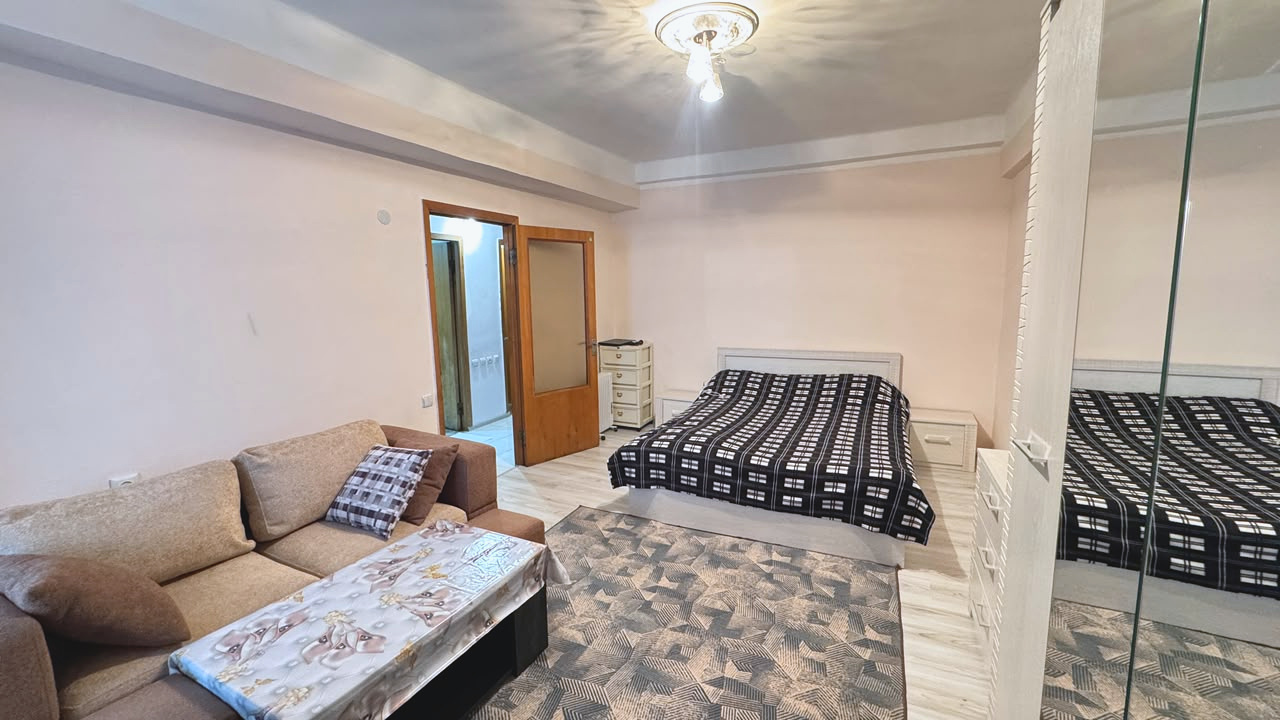 10 photos
2-room apartment for sale on Khorenatsi Street, Kentron
$135,000
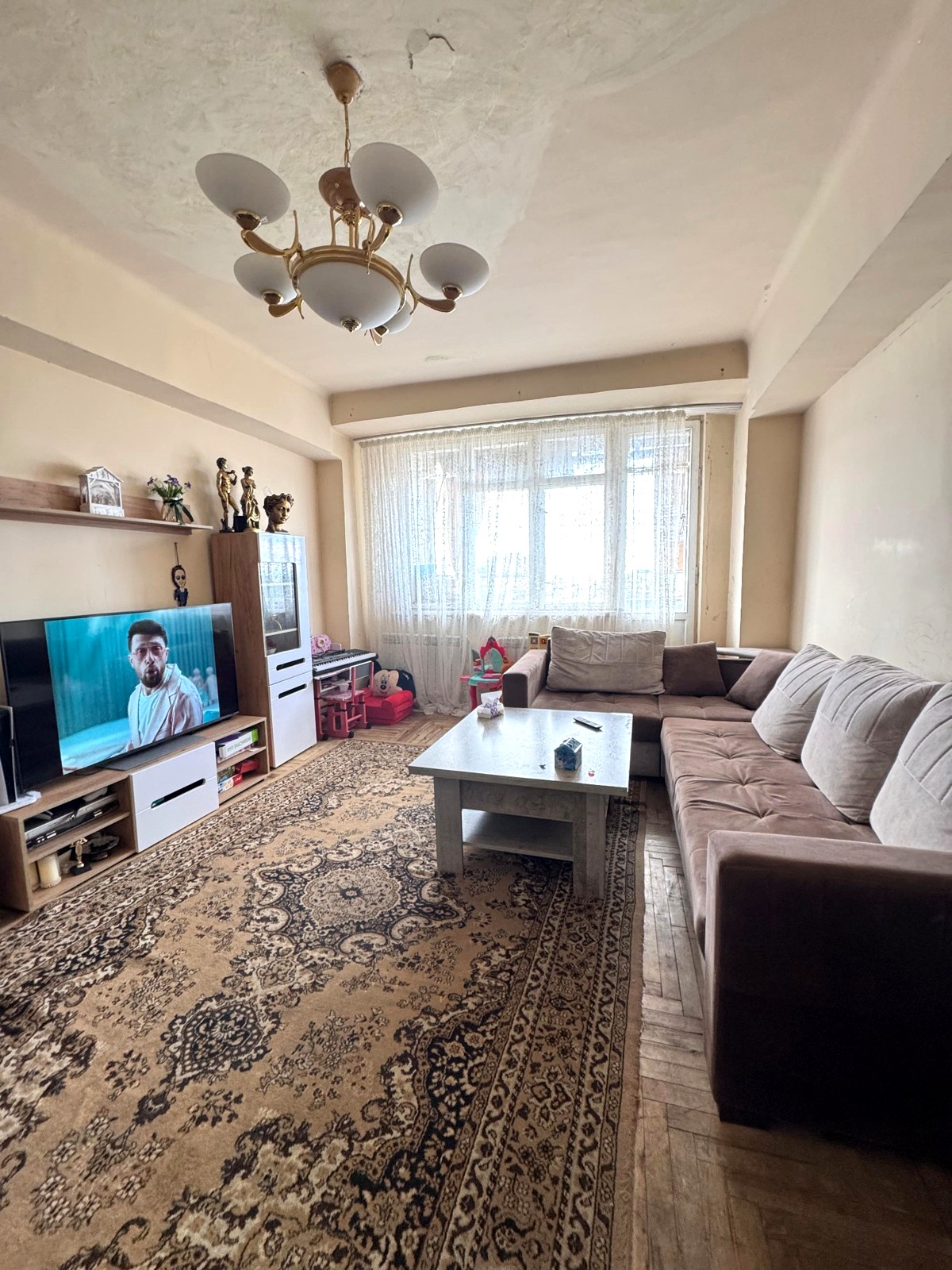 10 photos
2-bedroom apartment for sale on Komitas Avenue, Arabkir
$120,000
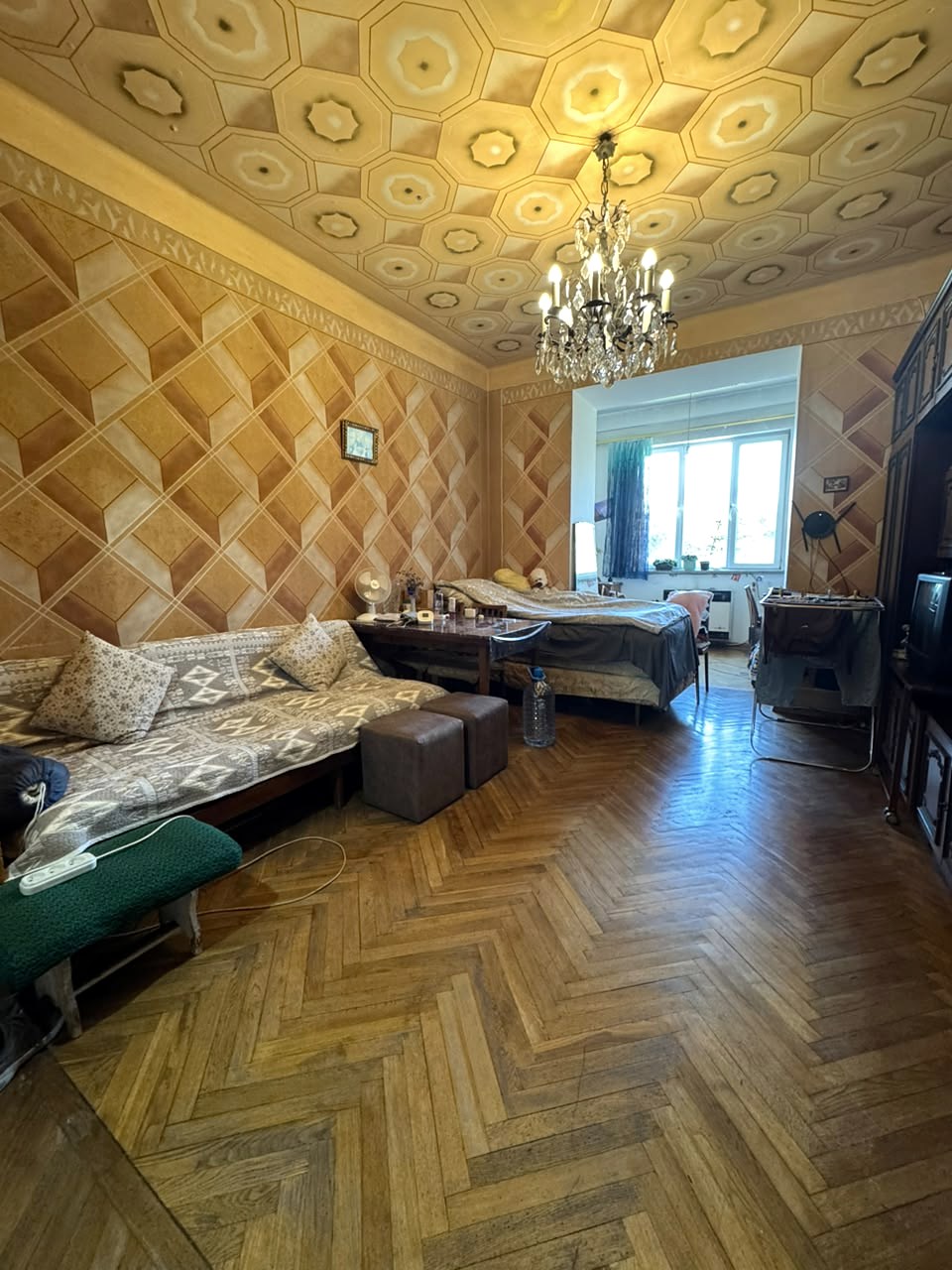 10 photos
2-room apartment for sale on Kirk Kerkorian Street, Ajapnyak
$155,000
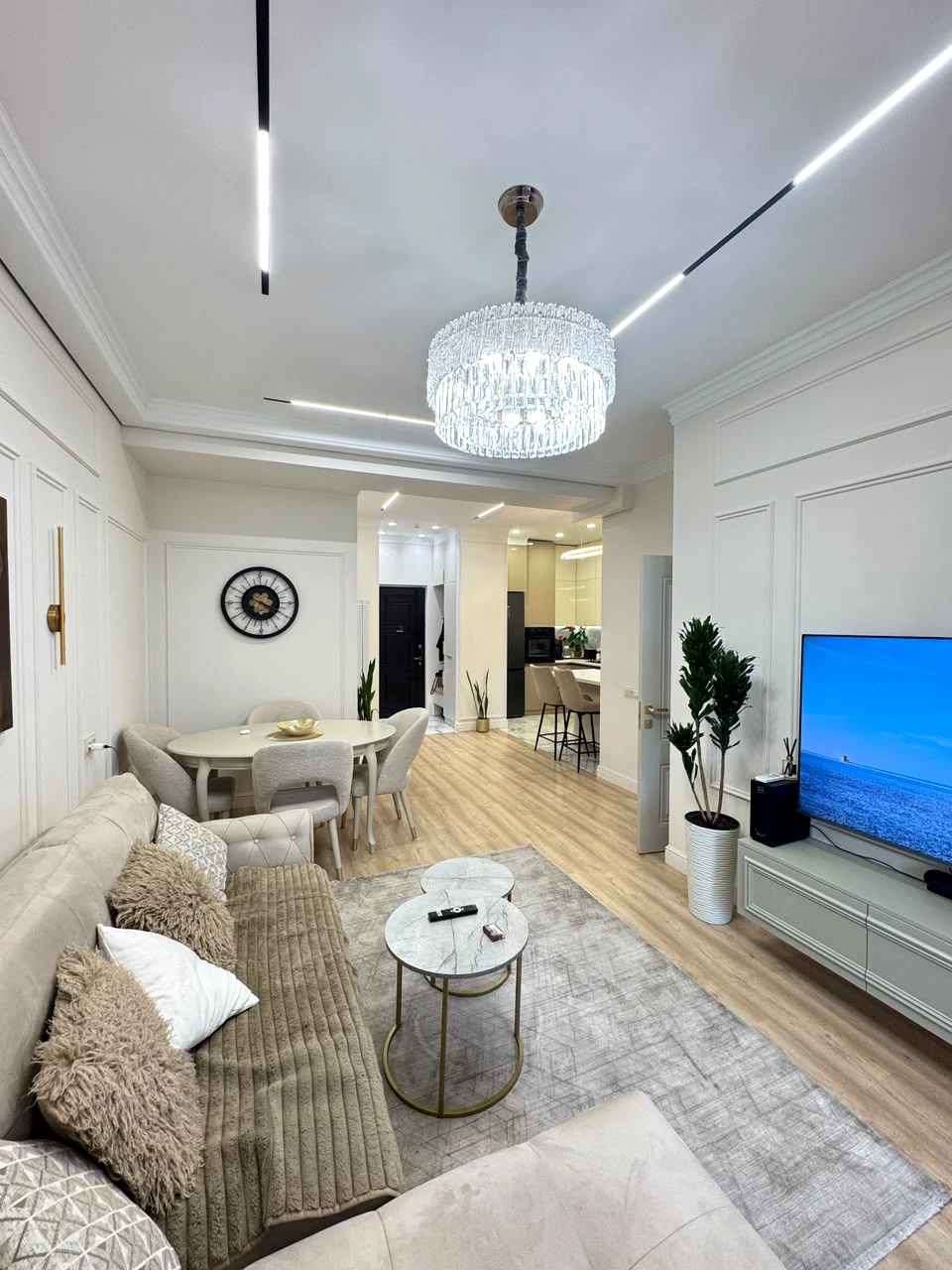 10 photosTG-17013
2-room designer-renovated apartment for sale on Marshal Khudyakov Street, Avan
$190,000
Questions we often hear
Do I need Armenian residency to buy an apartment?
No. The government’s buying guide says there is no residency requirement for a home bought with a lump-sum payment. Your visa or immigration status is a separate matter.
Can foreigners buy agricultural land?
Do not assume so. Land restrictions and exceptions depend on legal designation and circumstances. Obtain parcel-specific legal advice before committing.
Can I complete everything online?
Not necessarily. The 2026 fully online property-sale service was announced for Armenian citizens. Foreign buyers should confirm whether they need to sign in person or use an authorised representative.
Already thinking about a particular property?
TownGate can help you compare available options and organise the next steps of your search. We recommend independent legal verification before making a financial commitment.
Official sources
- Government guide: Buying a Home
- Cadastre: foreign citizens and ownership
- Land Code of Armenia, Article 4
- Property owners and restrictions certificate
- Cadastre: register home ownership
- Cadastre: online real estate sale, September 2026
- Government: notarized purchase agreement
Published November 2026. This article provides general information, not individual legal, financial, tax or immigration advice. Procedures, fees and property status can change; verify current requirements and obtain case-specific advice.